
Last updated on March 12th, 2026 at 11:25 am

To get here from anywhere, you have to drive through 1,200 square miles of agricultural lands, grassy prairies and cattle ranches in the heart of the Florida peninsula.
There are no beaches here. Just cows, corn and sugar cane, wetlands and prairies, and a big bad lake with a legendary fishery, the Big O.
With 800 campsites on 117 manicured acres and its own nine-hole golf course, driving range and putting greens, the Okeechobee KOA is a small city unto itself with all the fixin’s:
- Two swimming pools
- Tennis and pickleball courts
- Fitness center
- Lunch cafe
- Convention center
- And a tiki bar overlooking a small pond.


Lake Okeechobee is the largest freshwater lake in Florida and precious sanctuary for wildlife from alligators to migratory waterfowl and manatees seeking refuge.
Any fisherman will tell you that Lake O is Florida’s premier destination for large-mouth bass, crappie and bluegill, and it has one of the highest concentrations of alligators anywhere in Florida. There’s a boat ramp near the KOA with direct lake access, and a fishing pier in case you don’t have a boat.
Birders will tell you the lake is critical habitat for wading birds, migratory waterfowl, and endangered species like the snail kite, bald eagle, rosette spoonbill, white pelican, wood stork and crested caracara. Common species found here include white ibis, great blue heron, tri-colored heron, osprey, and anhinga.
Manatees slip into the lake through the locks on the Okeechobee Waterway, seeking the lake’s warm waters in winter to feed on hyacinth and hydrilla.

If you don’t have a boat, ride your bicycle or walk a quarter-mile from the KOA to Jaycee Park, where you can launch your adventure on the Lake Okeechobee Scenic Trail, a 110-mile multi-use trail that circles the lake atop the levy that corrals lake waters.
Lake O feeds the agricultural areas south and west of the lake while directing even more into the 200-mile River of Grass that flows south into Florida Bay, a River of Grass known formally as The Everglades.

Map shows the relationship of Lake Okeechobee to surrounding agricultural lands and the Everglades. The Okeechobee KOA is on the north end, near the point where the Kissimmee River flows into the lake.
Jaycee Park
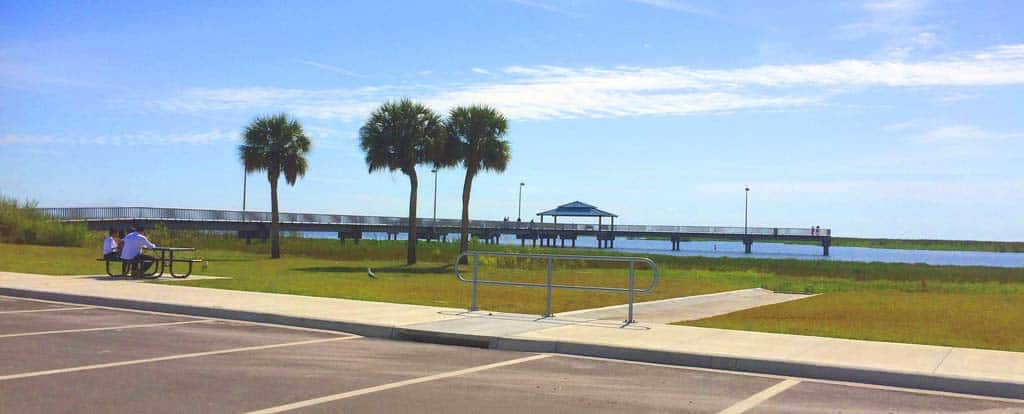
You don’t have to travel far from the Okeechobee KOA for beautiful views of Lake O. Jaycee Park is a quarter-mile away, straddling the Herbert Hoover Dike that surrounds the lake.
From the park, you can access the multi-use Okeechobee Scenic Trail for bicycling, hiking, skateboarding and roller skating.
Or you can trot out to the end of the 400-foot fishing pier, a platform popular with both anglers and bird watchers, who scan the grassy wetlands before them for rare and exotic species of birds. Here’s the ebird.org checklist with 186 species spotted here since 1990.
As for fish, the lake is home to more than 40 species, but it is known far and wide for its world class large-mouth bass.
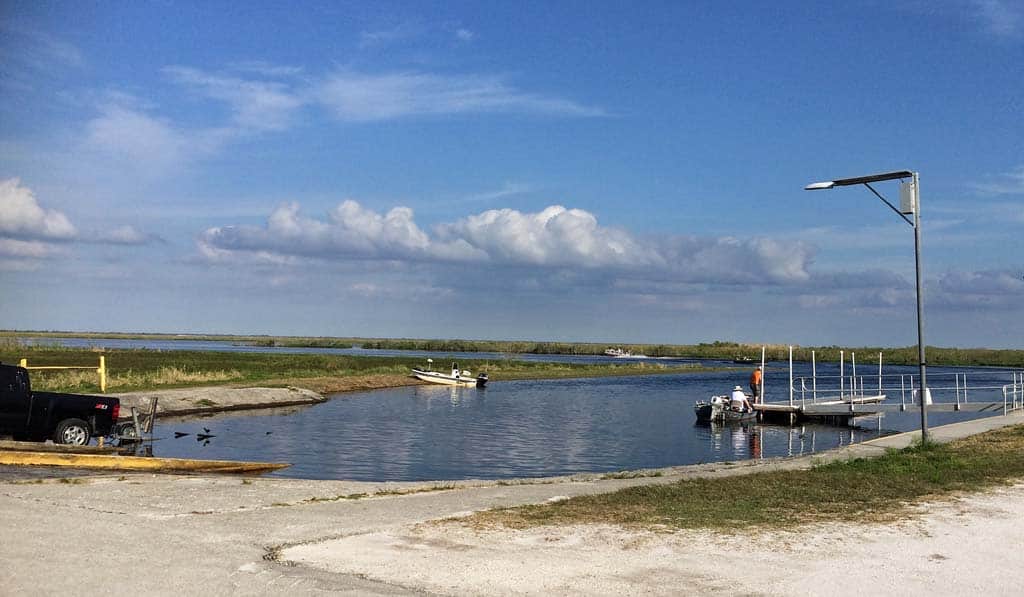
At the west end of Jaycee Park is a sandy beach area, parking and a busy boat ramp. You can launch your kayak or canoe anywhere along the shore, although it may be easiest to break through grass near the ramp.
Lake levels are carefully managed, and during droughts, this area can go bone-dry.
Okee-Tantie Recreation Area
This 112-acre park and marina is at the mouth of the Kissimmee River where it flows into Lake Okeechobee. Launching your boat here gives you access to wild marshes along the lakeshore and the Kissimmee River, which flows into the lake from Orlando and Central Florida.
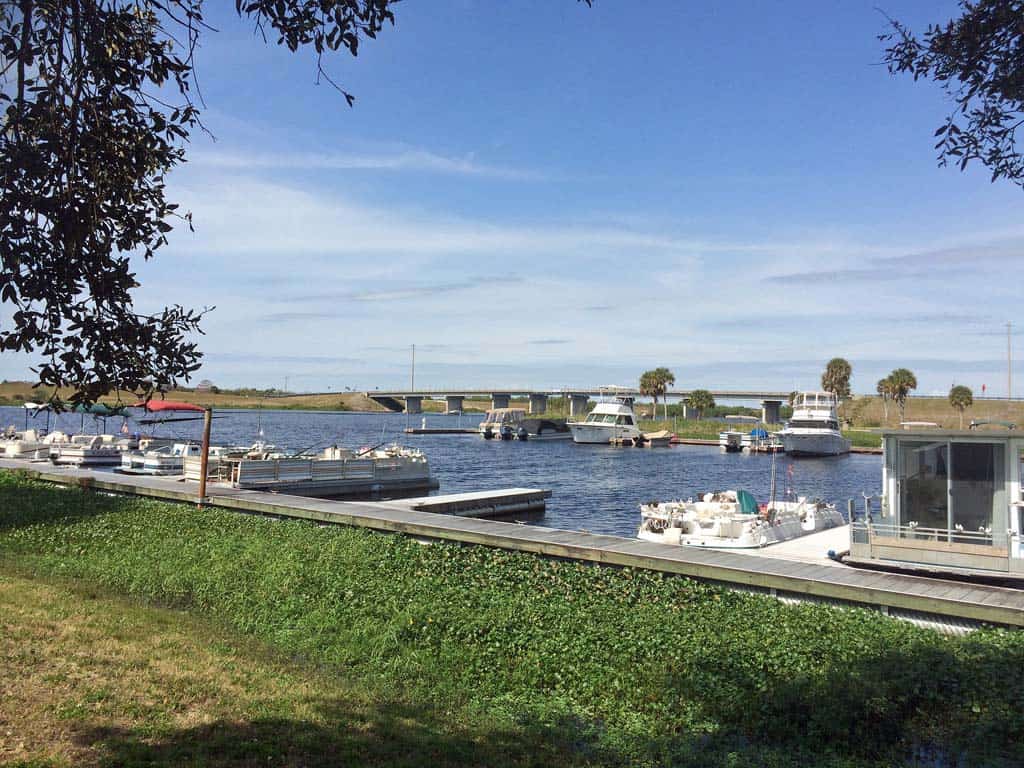
The Kissimmee River is the primary waterway that feeds the lake, and visitors to Okee-Tantie benefit from an unobstructed view of the lake.
The Lake Okeechobee Scenic Trail detours across the U.S. 78 bridge at Okee-Tantie, and the park is another excellent access to the trail for bicycles and hikers.
The four-mile segment of the trail from Okee-Tantie to Jaycee Park (or vice versa) is a popular and scenic stretch easily managed by bicyclists.
Across State Road 78 is another county park, the C . Scott Driver Recreation Area, which also has very nice boat ramps and an enclosed pavilion that serves as the base for bass tournaments on the lake.
Birders flock to Okee-Tantie and the Lake Okeechobee Scenic Trail for viewing opportunities. According to ebird.org, 164 species of birds have been identified at Okee-Tantie.

Take a ride: This is cow country
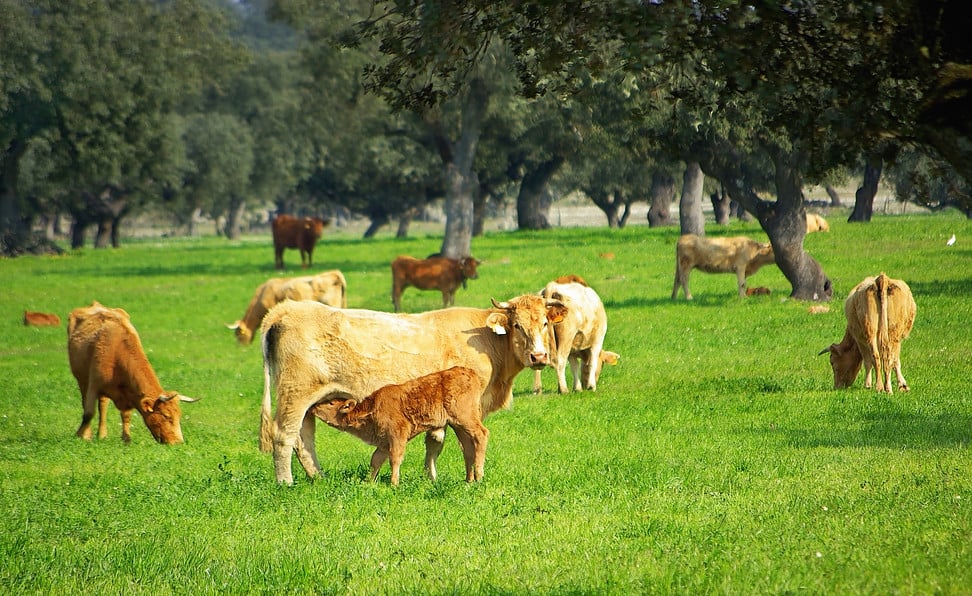
The city of Okeechobee is the anchor of a cattle region that ranges far and wide to the north and east. West and south of the lake is primarily agricultural, mostly sugar cane and rice.
Take an afternoon to drive or cruise on your motorcycle along State Road 70 (east) or U.S. 441 (north) and explore the wide-open prairies that support ranches, large and small, that sprawl to the horizon dotted with all breeds of cattle.
Or scoot over to the east side of the lake to discover the road that time forgot, the Martin Highway, a 12-mile stretch of Martin County Highway 714 shaded by hundred-year-old oaks framed by cow pastures, citrus groves, swamps and woods.
The Martin Highway, known locally as the Martin Grade, is a designated Florida Scenic Highway.
Okeechobee KOA Resort, 4276 US-441, Okeechobee, FL 34974. Phone: 863-763-0231. 800 RV sites with 30/50-amp electric, water and sewer hookups, KOA patios. Deluxe Cabins with full baths and linens. Premium tents sites. Free Wi-fi at the convention center and at swimming pools (open year round). Seasonal rates (2026): Nov.1-April 30, $85-$120 per night; May 1-Oct. 31, $70-$108. Cabins: $173-190 (winter); $158-$186 (summer).