
Updated July 13, 2026 by Bob Rountree
Editors Note: Construction of a new bridge across Sebastian Inlet has begun. So far, there has been little impact on traffic flow. But as the six-year project progresses, drivers should expect intermittent lane closures. Both entrances to Sebastian Inlet State Park will see occasional closures. For the latest updates, go to FDOT Sebastian Inlet Bridge Project.
Sebastian Inlet has long been a favorite destination for my family.
The big draw? Two first-class public campgrounds with access to miles of pristine beaches, outstanding fishing and endless paddle trails in the Indian River Lagoon.
Boating is symbolic of life here. You’ll see everything that floats, from kayaks and paddleboards to runabouts and ocean-going yachts.
Surfers come here to experience two of Florida’s hottest surf breaks.
There are islands to explore in the lagoon, abundant wildlife, home to the first national wildlife refuge and a treasure trove of Florida coastal history.
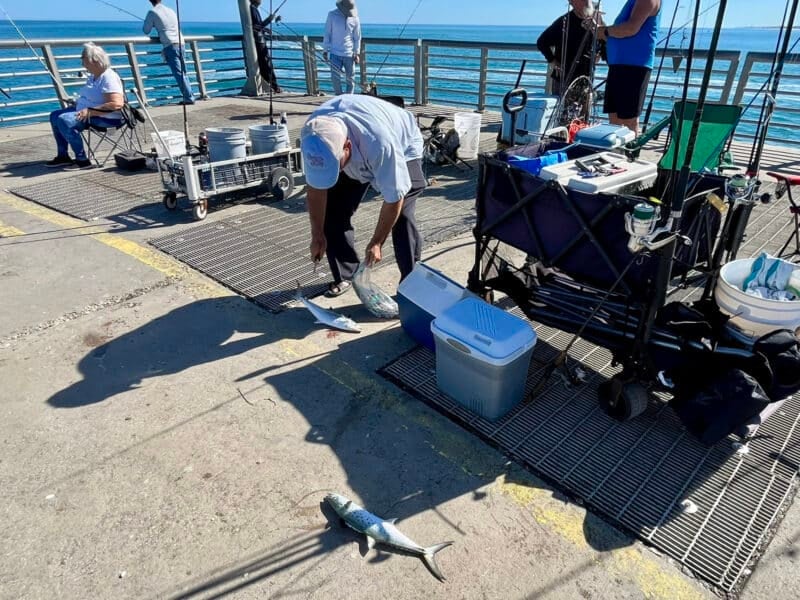


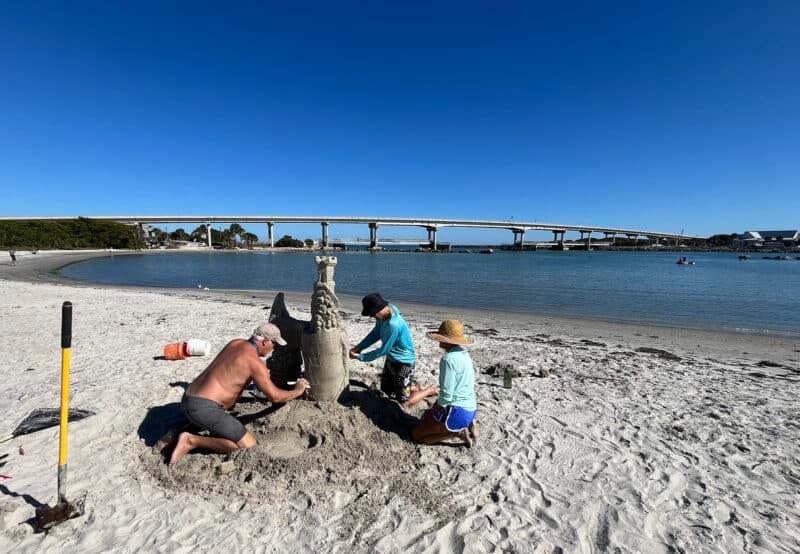
The fishing is outstanding, thanks to a steady flow of gamefish riding currents through the inlet and the productive nurseries in the lagoon harboring infinite clam beds, oyster bars, seagrass and tidal wetlands.
“Fishing is exceptionally good here,” observed Florida Rambler co-publisher Bonnie Gross on a visit to the North Jetty fishing pier earlier this year. “While we strolled the pier watching the action, we saw one fisherman reel in three Spanish mackerels.
Matt Badolato writes in Florida Sportsman: “When the mackerel move in along Sebastian’s North Jetty, they’ll strike anything flashy or a live bait presented under a float.”
Migratory and shore birds abound in the protected rookeries of Pelican Island, the nation’s oldest national wildlife refuge, and brackish tributaries offer winter refuge to manatees and other wild things.
Here’s the Sebastian Inlet Surf Report and live webcam from SurfGuru
The Campgrounds
Sebastian Inlet State Park
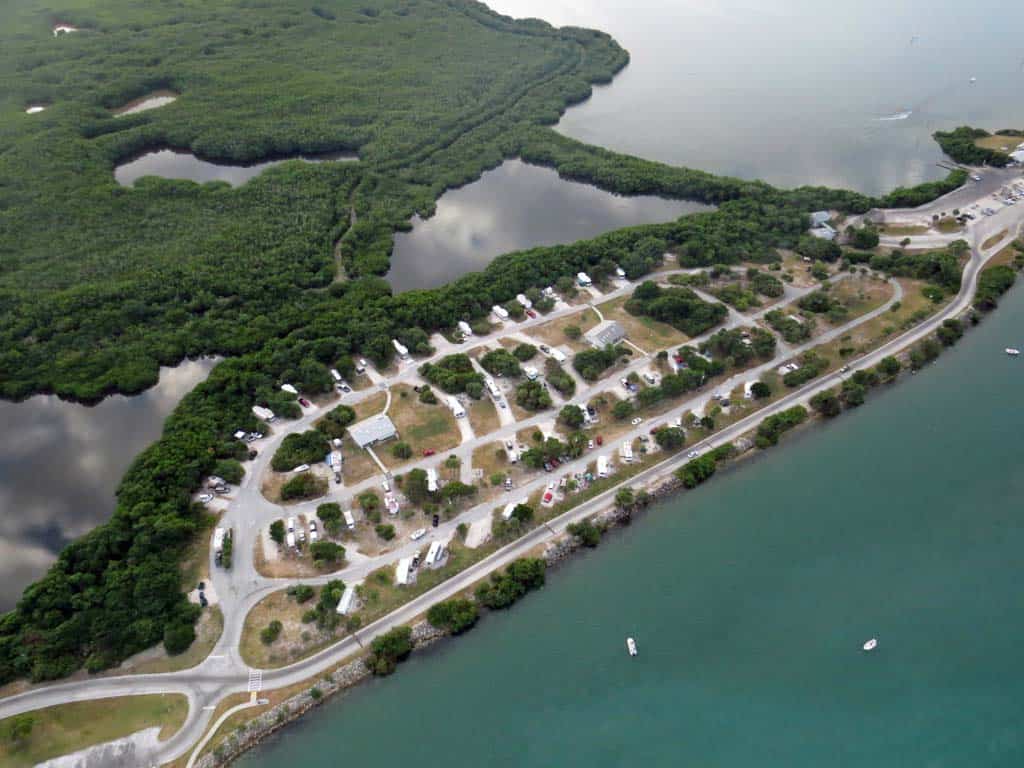
Sebastian Inlet State Park is divided into two sectors. straddling the inlet. The campground is on south side, and it has its own boat ramp. Another boat ramp is located on the north side at the park’s north side marina.
A camp store near the campground sells the basics, including bait for fishing.
There are two ranger stations., where the campground is located, is open during the park’s regular hours, from 8 a.m. until sunset.
The “north” ranger station, where the fishing pier and marina are located, is open 24 hours a day, 7 days a week.
Sebastian Inlet State Park, 9700 South Highway A1A, Melbourne Beach FL 32951. Phone: 321-984-4852. 51 campsites overlooking the inlet with concrete pads, water, electric, dump station. Rest rooms with hot showers. Camping Fee: $28 per night plus a $7 daily utility fee for RVs. (No utility fee for tents) Reservations: Florida residents up to 11 months in advance, 10 months in advance for non-residents, book online or call (800) 326-3521.
Day-use admission is $8 per vehicle (2-8 people); $4 for a single user vehicle; $2 for pedestrians and bicyclists. The boat ramp fee is $4 plus tax. (Park admission is included for campers.)
Florida residents 65 and older receive a 50% discount on base campground fees.
Long Point Park Campground
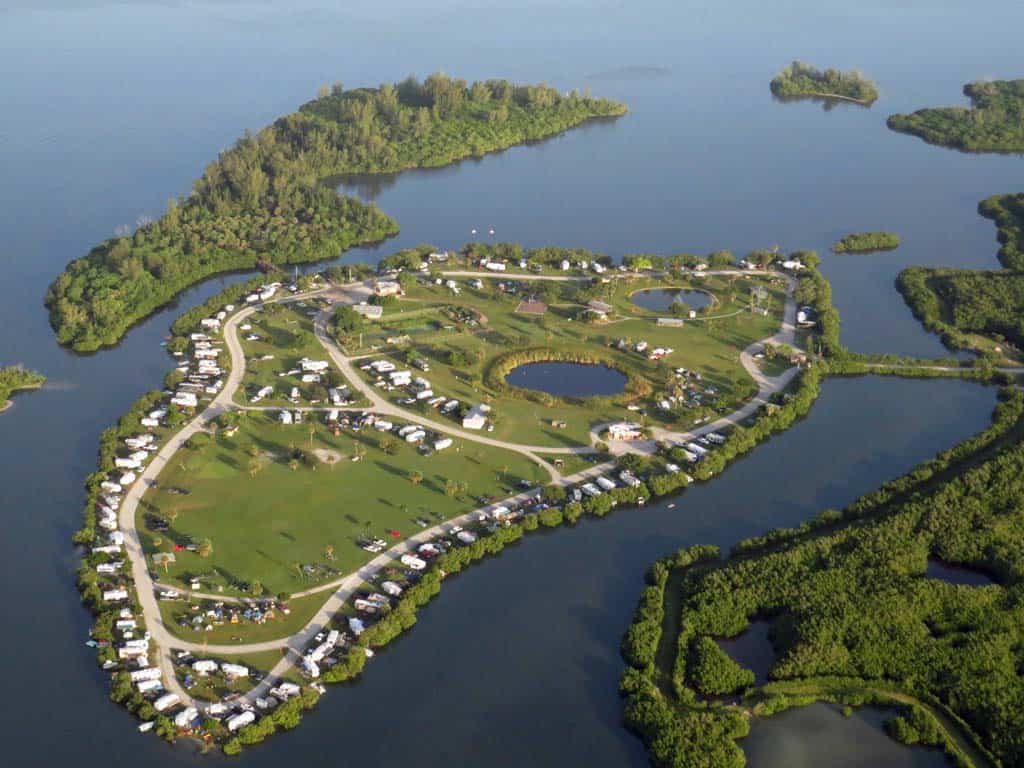
A mile north of Sebastian Inlet on State Road A1A is Long Point Campground with 170 campsites, including 113 waterfront sites on the Indian River Lagoon.
Each of the waterfront sites has water and electric hookups. On the interior of the island, there are an additional 57 campsites, some with full hookups.
Group tent camping is available on Scout Island, where you’ll also find nature trails.
We’ve camped here with our kayaks, which you can launch from waterfront sites, and my center console open fisherman, which we launched from the park’s boat ramp and anchored behind our camp site.
Bring your own shade, especially in summer, for refreshing sea breezes. Food, beer and bait is available at a convenience store at the corner of Long Point Road and State Road A1A.
Long Point Park Brevard County, 700 Long Point Rd, Melbourne Beach, FL 32951. Open 7 days, sunrise to sunset. Camping fees: Brevard County residents, $36 per night; Non-residents, $50 per night. Additional: $2 for water view; $2 for campers to use dump station; Boat ramp, $5.70. Campground reservations: Brevard County residents can make campground reservations up to 13 months in advance, while the reservation window for non-residents is 6 months. Maximum length of stay is 14 days. Reservations online at registration.brevardfl.gov or by phone, 321-952-4532.
A little-known alternative… Donald MacDonald Park
Indian River County maintains a small, shady campground on the St. Sebastian River, which flows into the Indian River Lagoon directly across from Sebastian Inlet.
The campground has 26 tent sites (no hookups) and five RV sites with hookups for electric and water. All sites have a fire ring and picnic table.
The 26 non-electric sites are designed for tents or small pop-up trailers, and they share access to potable water spigots with other campers. Only a few of these primitive sites are roomy enough for a small trailer.
A boat ramp provides access to the St. Sebastian River and Indian River Lagoon. There are no day-use or boat ramp fees.
Donald MacDonald Park and Campground, 12315 Roseland Rd, Sebastian, FL 32958. Open 7 days, 7 a.m. until sunset. Phone: (772) 589-0087. Camping fees are $25 for non-electric sites (1-27) and $35 for electric (28-31). Reservations are accepted online. Book online.
The Beaches
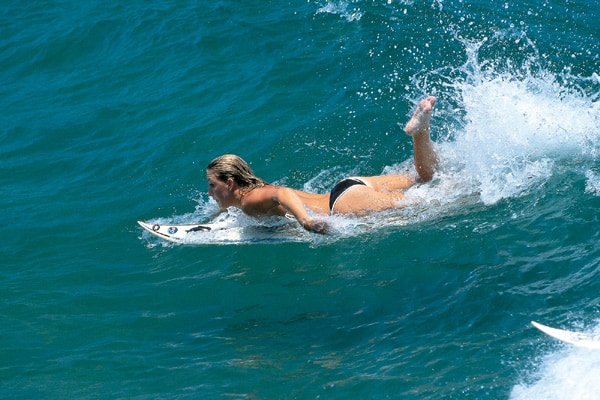
Three miles of pristine beach backed by rolling dunes and some of the best surfing on Florida’s Atlantic Coast sets the beach at Sebastian Inlet State Park apart from all others.
For those who prefer calmer waters, the state park also features a beach inside the inlet on the north side of the inlet and bridge. (Campground is directly opposite on the south side.)
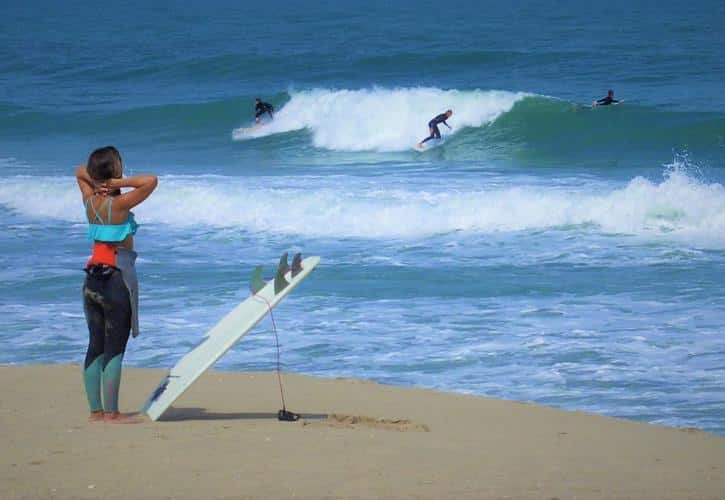
One of the most consistent surf breaks in Florida is Sebastian Inlet’s “First Peak,” next to the north jetty.
Another hot surf spot is “Monster Hole,” actually a shoal about a third of a mile off the beach on the south side of the inlet.
Paddle to an island
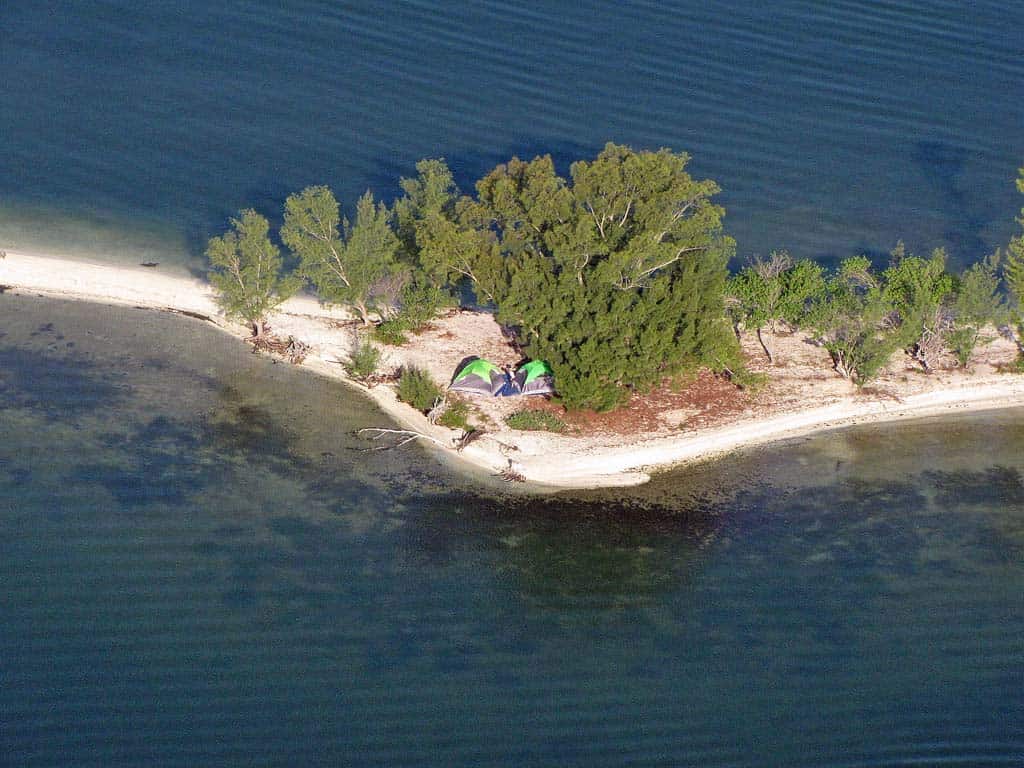
Paddle to your heart’s content in the Indian River Lagoon.
Head for Pelican Island, a mile south of the inlet, to visit the nation’s first bird sanctuary, or visit one of the many spoil islands in the lagoon for a picnic and a swim. Spoil islands are the result of years of dredging channels for navigation.
You can even camp on some of the islands (but not on Pelican Island).
Paddle directly across the lagoon from the inlet to the mouth of the St. Sebastian River, then up the river to another wildlife sanctuary where manatees congregate in winter.
Fly fishers prowl the oyster bars around the spoil islands for red drum (redfish), and black drum are abundant in deeper inlet waters. Ask a park ranger where clamming is permitted.
Related Article: Primitive camping on dozens of starlit islands in Florida
Pelican Island National Wildlife Refuge
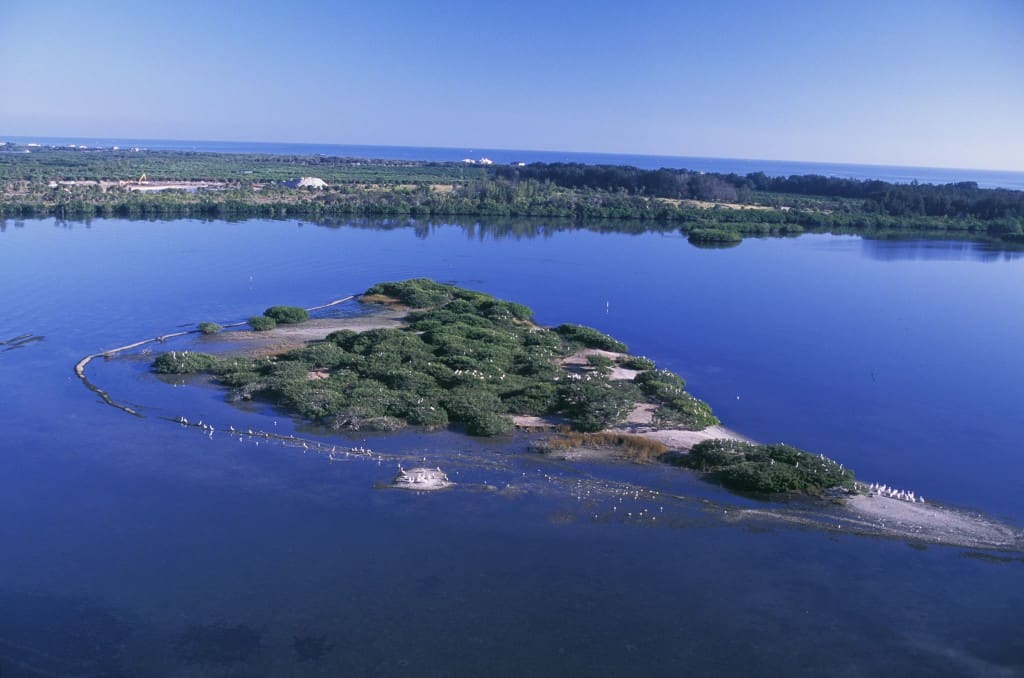
President Teddy Roosevelt, alarmed by the slaughter of pelicans and egrets for their plumage, signed an executive order in 1903 declaring Pelican Island a bird sanctuary.
More than 30 species of birds use the island, and 16 species nest here, including the brown pelican, wood stork, several varieties of egrets and herons, and the American oystercatcher.
The island can only be approached by water but can be viewed from an observation tower accessible via a boardwalk trail from the visitor’s area on State Road A1A south of the inlet. Or you can paddle your kayak a mile south of the inlet for an up-close and personal look. (Don’t go ashore.)
Read more: Pelican Island: Oldest bird sanctuary in U.S — Web site: Pelican Island
Hiking and Biking
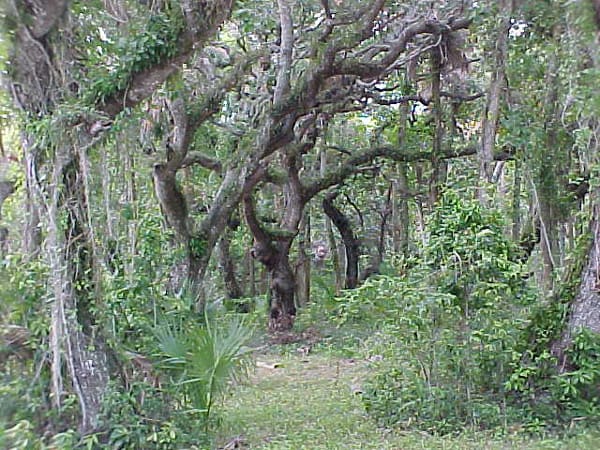
Take a stroll down the Hammock Trail in Sebastian Inlet State Park.
This gentle, mile-long nature trail meanders under the shade of a coastal, sub-tropical, palm/oak hammock and along the fringe of the mangroves. Plant identification signage relates many of the unique species in this habitat.
Three mountain bicycle trails are located within Sebastian Inlet State Park, a combination of off-road and paved courses. A multi-use, paved path runs along State Road A1A and the Indian River Lagoon with numerous beach access points.
McLarty Treasure Museum
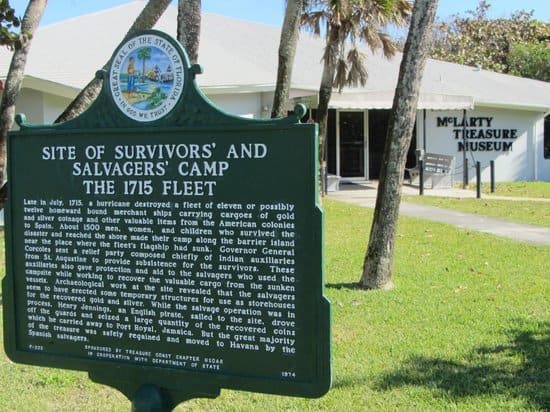
The McLarty Treasure Museum, south of the inlet is the site of a 1715 Spanish Fleet wreck survivor’s camp.
The museum features artifacts, displays, and an observation deck that overlooks the ocean. Salvagers continue to work the ocean bottom offshore, seeking gold, silver and the “Queen’s jewels” lost to the sea and its sandy shores.
The museum is open daily 10 a.m. to 4 p.m. Admission is $2. Hours: 10 a.m. to 4 p.m. daily. Phone: (772) 589-2147
McLarty Treasure Museum, 13180 North A1A, Vero Beach, FL 32963. Open 10 a.m. to 4 p.m., Wednesday through Sunday. Admission is $2. Phone: (772) 589-2147 — Read more: History and Culture of Sebastian Inlet Note: The museum is staffed by volunteers, so it’s a good idea to call before you visit to make sure it’s open.
Sebastian Inlet Fishing Museum
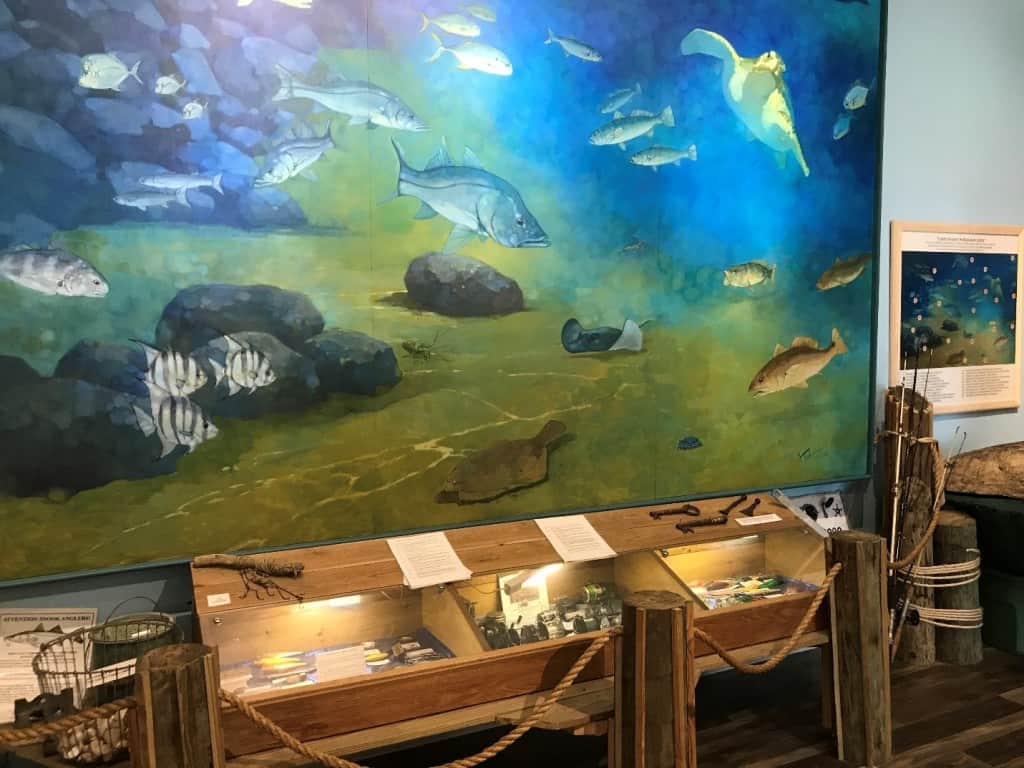
Commemorates three of Sebastian’s early families that operated fish houses. Inside you will find a replica of an original fish house and dock.
A homemade fishing boat, nets, fishing gear, and photos of fishing in the lagoon are also on display. The museum is inside Sebastian Inlet State Park near the campground and is open daily.
Admission is free with park admission or with a campsite reservation.
Video: Sebastian Fishing Museum
Sebastian Inlet Fishing Museum, Sebastian Inlet State Park, 9700 S Hwy A1A, Vero Beach, FL 32963. Open 7 days, 10 a.m. until 4 p.m. Phone: (321) 984-4852
St. Sebastian River Preserve State Park
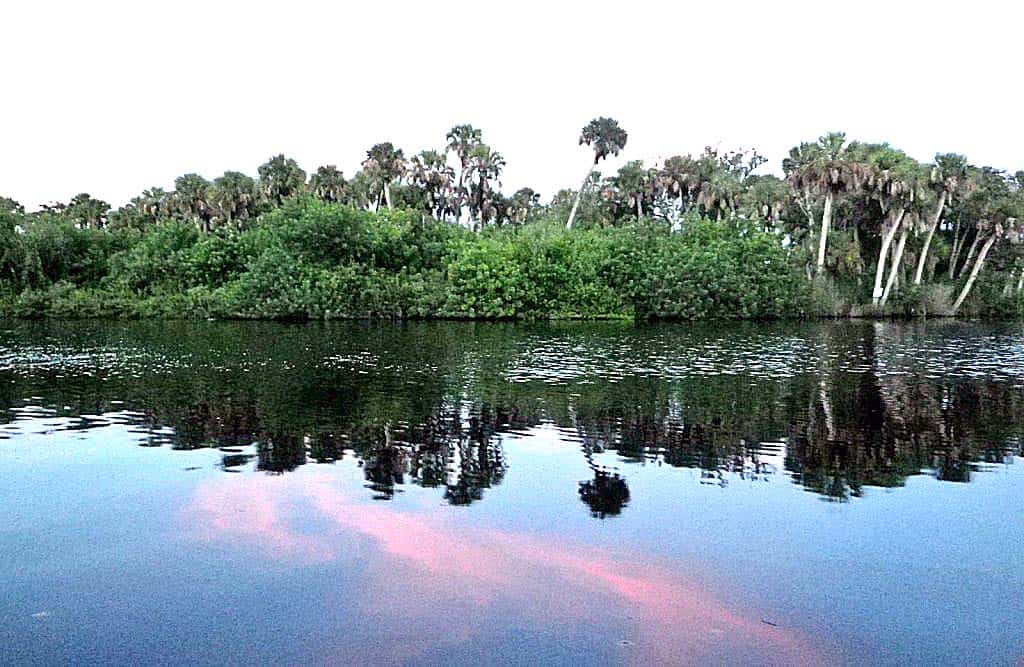
There are two ways to get into the 22,000-acre St. Sebastian River Preserve. By water from either Sebastian Inlet State Park or Long Point Park, go almost directly across the Indian River Lagoon from the inlet to the mouth of the St. Sebastian River. The preserve short paddle up river.
Or you can enter the preserve by vehicle from Fellsmere. Mountain bikers, equestrians and hikers should use the Fellsmere entrance for tackling 60 miles of rough, multi-use trails.
There is also a manatee observation deck in Fellsmere. Many different species of birds use the preserve during spring and fall migration, including the swallow-tailed kite, various songbirds, hawks, hummingbirds and robins. Read more: Roughing it: St. Sebastian River Preserve
St. Sebastian River Preserve State Park, 1000 Buffer Preserve Drive, Fellsmere FL 32948. Open 8 a.m. to sunset, 365 days a year. Phone: 321-953-5005.
Related Stories
The aerial photographs on this page were provided to Florida Rambler courtesy the photographer John Massung.

Need some honest kayak information that I can read before I try to buy one! Any idea on brands to check out or sites to check out. In a perfect world (2), 1- single for fishing, paddleing, larger one for 2- adults, 1- kid
Hi Dale: First and foremost, I highly recommend visiting your local independent kayak dealer. They are best able to help you identify your needs, both in the design and size of your kayak. It does help to have some basic knowledge, which you can find in this story I wrote: floridarambler.com/kayaking-in-florida/buying-a-kayak An independent dealer is more likely to work with you on price, and will offer discounts on accessories, such as paddles and other gear, if you buy your kayak from them. Most dealers also offer demo days, allowing you to try out different boats to help you find your comfort zone. Buying a kayak is personal.
Thank you,
Only thing what are you calling independent dealer? If look in Illinois what do I look for?
Something other than a chain or big-box retailer. These are usually small shops with local names and a single proprietor.
Got it!
Thank You!
Hi Ed, Every county has different rules and usually a different reservation system, and because county parks are paid for by residents of the county, residents are sometimes given a priority booking window. Long-term reservations are rarely permitted, although Brevard County (Long Point) does allow reservations up to 168 days. For Long Point, call the rangers directly to answer your questions. Their number is (321) 952-4532. Reservations at any state park can be made up to 11 months in advance for a maximum stay of two weeks, and there’s a trick to it. Here’s a link to some tips I’ve put together: https://www.floridarambler.com/florida-camping/booking-florida-campgrounds/
Good as always Bob. Couple of things:
– do NOT speed through Wabasso – it is a major speed trap. Road drops from 45 or so to 25 very quickly and Officer Friendly is almost always there to point out the sign to anyone who misses it
– surprised you didn’t mention the SE entrance to the Preserve as you did in the linked article: The entrance to the Southeast quadrant is 1.8 miles east of I-95 Exit 156, towards Sebastian, on WW Ranch Road, behind Indian River County’s North County Park. There is a great backpacking site there only a mile or so from the parking area that is right on the river with your own dock.
– Bugs can be unbearable at Long Point in the summer
– Maier is right about Jungle Trail. Parts of it are drivable. Great example of what the barriers are supposed to lo look like.
Thank you for FloridaRambler. I always look forward to your ramblings. I lived in Roseland for 6.5 yrs. Next time you visit, you could launch from Wimbrow Park, north to the North Prong of the Sebastian River, where there is a kayak dock at the navigable end. It leads to a trail inside the huge St. Sebastian State Preserve. There’s a big old alligator, who likes to sun bathe on the dock, so you’ll have to ask him to move. The South Prong also has a kayak dock along the way south, and another further down south near the navigable end.
Also fun for biking: Jungle Trail on Orchid Island (the barrier island). Sebastian will always be quiet because it’s 8 miles to Wabasso Bridge and the beaches further on.